Three things I wish someone had told me about PD : By Dr. De Leon

Not only is there still much to be learned about this extremely complex disease, as I mentioned in my article “What is wrong with me?” But, despite all the advances in the field there continues to be a great deal of speculation regarding life with Parkinson’s after the diagnosis. Today, I am exposing some of the truths you wish you had been told:

      1. It is difficult to maintain a traditional job once diagnosed with PD.

I realized that the old way of doing things was no longer going to work. This meant that my traditional job as a doctor was no longer going to fly simply because the level of mental acuity required would consume my dopamine stores faster than I could replenish them. Since it is difficult to maintain employment once diagnosed consider options such as a different venue/vocational rehabilitation. PD patients have been shown to perform well in creative roles, and doing repetitive tasks. Perhaps the new job lies in the use of the new found talent such as being an artist, photographer, writer.  But, most importantly need to start financial planning, including disability documentation if young onset and execution of will for long term care.

       2. It truly takes a village to care for a Parkinson’s patient.

Since Parkinson’s affects all of our insides, feelings and all, as well as our outside; living with PD while raising children, having a family, running a household, holding a job, and maintaining personal and interpersonal relationships is extremely difficult. Especially, as disease progresses you simply cannot go at it alone! You need others to help pick up the slack. Part of this network of support should include close friends, relatives, social workers, and PD support groups. Spread the wealth if you will with those willing to help out to avoid burn out in those closest to you like spouses.

     3. Prevention rather than reaction to symptoms is the key for a better quality of life with PD.

Intuitively, I surmised from treating my patients that indeed “an ounce of prevention is worth a pound of cure.” Yet, it took me a few years of living with PD myself before I fully comprehended the full ramifications of a proactive treatment for PD. As in the treatment of cancer patients, we first want the remaining dopamine cells to work more efficiently, and keep other cells from dying off. Hence, a cocktail of medicines works best. This treatment is maximized with constant surveillance for signs of new symptoms before problems arise. This requires a team of multidisciplinary experts including PT, OT, and ST. Remember the brain function’s like a see-saw, if you add too much of one thing on one side you are bound to get off kilter and go flying up in the air unwillingly and bounce back when that substance starts to wane.

WHAT are the things you WISH you had KNOWN in advance about living with PD?

Feel free to share.

Kitchen Goddess No More! By Maria De Leon

Source: Kitchen Goddess No More! By Maria De Leon

Preventing and Treating Psychosis Post Anesthesia in PD: By Dr. De Leon

I have heard of many patients being afraid to have procedures of any kind due to occurrence of psychosis and confusion reported by a number of Parkinson’s patients. This problem is not a myth unfortunately. Forty percent of Parkinson’s patients suffer psychosis commonly as disease advances which usually results in more hospitalizations, and increased procedures resulting in a greater need for anesthesia. Thus perpetuating the cycle. However, in my professional experience the majority of these episodes (psychosis post anesthesia) can be avoided by taking a proactive approach.
If surgery is required one must have evaluation of ones Parkinson’s symptoms for severity along with a complete evaluation of your medical regimen and a mini mental status exam prior to surgical procedure. The mini-mental status exam is KEY!!! The latter is particularly important in the face of long standing PD or advanced aged. This combination presents the highest risk for psychosis and delirium which is unfortunately often overlooked by most surgeons. I often would get consulted on other patients after the fact when a patient was psychotic and it never really was a surprised to me only to family and to rest of medical staff! This is true because if they would have bothered doing a full neurologic exam which included a mini mental status – they would have found cognitive deficits already present over 95% of the time prior to surgical procedures. In my patients I always stressed discussing with me prior to any and ALL procedures small or large especially if routine! This way I could have time to discuss with surgeons plan of action ahead of time and be involved in care. This is not always feasible in emergency cases but my patients and their families always knew to have their doctors put in a consult for me to manage their PD during their surgical procedures if hospitalized and receiving general anesthesia. One thing that everyone involved in care of Parkinson’s patients need to be aware of is that –Yes! PD patients represent a management challenge and need extra attention to have the best outcome.

Some of the common reasons people get psychotic with anesthesia:

  • Underlying dementia (often times undiagnosed- in my experience this is the number one reason)
  • Advancing age
  • Interaction of PD meds with anesthesia e.g. Mao inhibitors
  • Pain medication effect in light of PD meds and underlying dementia
  • Poor swallowing leading to pneumonia/ atelectasis
  • Decrease respiration /acid aspiration
  • Urine infections
  • Dehydration

Things to look at before any surgical procedure:

Preoperative continuation of levodopa

Aspiration prophylaxis Interaction of drugs with PD medications patients are taking

Duration of PD and systems disrupted –i.e. how is their cardiac function, their kidney function, their gastrointestinal function, their cognition, etc.

Surgical procedure – is it elective or emergent

Will hospitalization be required?

Type of anesthesia to be used-general vs. local

Will patient need to be bed bound – thus increasing DVT’s (clots) and also worsening PD symptoms like rigidity

First things we have to know about anesthesia:

1) Avoid halothane with levodopa if possible due to an increase in cardiac arrhythmia.

2) Use of Sympathomimetics  with Mao will increase BP- therefore need to suspend things like Azilect, and Eldepryl for up to a week before surgery. At same time recommend increasing other PD meds to compensate for that reduction so that you are the strongest prior to surgery.

3) Mao meds also inhibit metabolism of narcotics therefore narcotic effect can lasts longer in your system after surgery causing greater side effects- so may not want to resume Mao inhibitors right away after surgery if taking pain meds.

4) In advance PD sudden withdrawal of levodopa can be fatal at times causing neuroleptic syndrome. Therefore never recommend stopping this medication always look to take orally dissolvable Sinemet (levodopa/carbidopa) like Parcopa if have to be NPO (nothing by mouth).

5) Keep in mind that often times General anesthesia can relax muscles so much it can delay diagnosis of exacerbation by masking early symptoms.

6) PD patients who undergo general anesthesia have a tendency for increase chest infection due to ineffective cough mechanism and clearing of secretions and poor swallowing.

7) After general anesthesia these is increased nausea and vomiting meds often prescribed for this problem as well as those used with and during anesthesia can worsen PD symptoms.

My recommendations to prevent these common problems with general anesthesia:

Pre -operative care:

I am of the belief that patients should take medications up to the time of surgery by substituting things to bypass the GI system using oral disintegrating tabs such as Parcopa use dopamine agonist patches if necessary and discontinue Mao inhibitors- but increase dose by adding more dopamine after surgery to be able to deal with stress of body.

Don’t forget to evaluate for cognitive status and place on medications to protect many IV/IM/orally disintegrating meds and even patches ( Exelon, Abilify, Geodon, Zyprexa)

Take small sips of liquid if need be to get meds down to avoid exacerbation of symptoms.

If sedation is required Benadryl maybe be best solution because there is an IV form and helps with PD symptoms as well; works great for procedures of the eye.

Also ask for scopolamine patch – this decreases nausea and vomiting due to anesthesia.

Ask for reflux prophylaxis –such as Pepcid IV prior to surgery to avoid reflux and aspiration.

Peri- operative/intra-operative:

If at all possible get local anesthesia or nerve Block to avoid cognitive side effects as well as gi symptoms. Post- operative: Resumption of meds as soon as surgery over is very important. Because timing is so crucial medication schedule must be adhered to pre-intra, and post operatively. After surgery, broad time schedules of medication intake should be avoided completely! Staff MUST be instructed to stick to specific dosing times and not to deviate for more than 15 minutes (max) otherwise this can lead to erratic behavior and severe symptom breakthrough such as increased pain, depression, anxiety, confusion etc.

If unable to swallow post -surgery consider – nasogastric tube to give meds if needed if unable to get oral dissolvable or tolerate patch, etc.

Give water through feeding tube but also make sure getting fluids to prevent dehydration and getting IV antibiotics post -surgery.

Sometimes patients have difficulty voiding post operatively due to spasms of bladder- I recommend baclofen or macrodantin (nitrofurantuon).

If at all possible try to limit narcotics and use instead Tylenol #3, Toradol IV/PO/Vicodin only as needed. Trust me this works best if we follow all these steps are followed and all involved take a proactive role in the care of the PD patient. Of importance is also a temporary increase in PD medication doses during recovery/convalescing period.

Don’t forget to get ancillary consults like OT, PT, ST, and respiratory to provide breathing treatments and an incentive spirometer to prevent pneumonia. A team effort is the way to ensure a much less chance of having psychosis with anesthesia.
Don’t forget to include your neurologists/MDS for a best outcome and decrease post-surgery psychosis.

Sources:

http://www.bcmj.org/article/management-medical-and-surgical-problems-parkinsons-disease

http://practicalneurology.com/2014/10/inpatient-management-of-parkinsons-disease

http://www.ncbi.nlm.nih.gov/pmc/articles/PMC3141145/

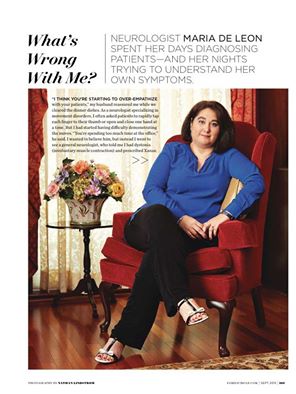
what’s wrong with me? by Dr. De Leon

http://www.familycircle.com/health/concerns/aches-pains/whats-wrong-with-me/

follow up on blog tomorrow…here and on Family circle as well as blog on PDF.org this week

#1 Cause of Cramping Toes & Legs In PD- By Dr. De Leon

“These cramps are crazy! But look on the bright side- at least is not a baby!” -unknown


In the past, I have written about the different causes of leg and toe cramping in Parkinson’s disease. However, the number one cause of cramping in those of us who have had Parkinson’s disease for many years is actually a metabolic cause indirectly related to PD Symptoms. What I mean is that we all have one singular symptom in common which is extremely trouble some for all of us despite our PD presentation. This horrible symptom which makes all of our lives particularly troublesome and even causes us to become moody, forgetful, and lethargic is no other than my friend and your friend-CONSTIPATION! Unfortunately, this is one of those symptoms that just wont go away! It often precedes the motor symptoms by up to 20 years and as the PD progresses not only does Gi motility slow down to a near halt due to PD but the medicines themselves are against us from the start.

So, how do we combat this pesky problem? throwing everything but the sink into our bodies sometimes just to be able to have a bowel movement. The thing we all forget is that with time the constant sloughing off the lining of the intestines by laxatives – especially those over the counter can cause severe Hypokalemia (low potassium) because it alters the function of the kidneys permanently!

To make matters worst, as we age many of us become hypertensive (high blood pressure) for which many receive treatment in the form of diuretics. This only compounds the problem and increases risk for cramps. Also, many of the medicines cause increase fluid retention again necessitating a type of diuretic.

 Therefore, I suggest that :

Featured image

1) Do not take laxatives on a daily basis – this only causes the body to become dependent and work even less unless higher amount (dosages) of laxatives are  consumed. I will suggest a cocktail solution for this which includes high water intake, increase natural juices, increase daily fiber in food and as supplement through over the counter fiber tablets, powder etc. increase exercise, increase vegetable and fruit intake along with stool softener. Then few times a week take prescription meds like lactulose, Miralax, Amitiza, or Linzess.

2) However, if above still not producing the desired effect – use over the counter laxatives –SPARINGLY! always alternate types such as enemas, mag citrate or other oral laxative brands-e.g. Ex-lax, Dulcolax… 

3) Have your doctor write you a prescription for potassium supplement 20mEq. EVERY TIME you take a laxative make it a point of taking a Potassium supplement pill along with it. Also increase consumption of potassium rich foods like white beans, lentil, raisins, pistachios, soy bean, avocados, and cocoa bean (my favorite)..

4) Have your doctor monitor your potassium routinely if staying low may need to be on a daily potassium supplement!

5) If possible avoid diuretics – try using naturally occurring diuretics like cucumbers, watermelon, tomatoes, green tea, asparagus, cranberries, and oats. This will also help to maintain regularity.

6) If you Must be on a diuretic if possible try potassium sparing medications -NOT LASIX.

7) Finally, if you do experience cramps quick remedy is a spoonful of mustard (keep packets handy especially when traveling) & drinking pickle juice- best when cold! If you are experiencing cramps multiple times a week and the other causes of pain and cramp have been ruled out then need to take daily potassium supplement and take extra dose when use laxatives!

References: (see prior blogs)

How to Deal with the 6 Common Causes of Leg pain in PD?

Tips to dealing with cramping toes

@copyright 2015 all rights reserved Maria De Leon

How to Deal with the 6 Common Causes of Leg pain in PD? : By Dr. De Leon

One of the biggest complaints I hear from people in PD support groups is a continuous relentless severe leg pain. Prior to a decade ago, I as all my fellow movement disorder specialist would have not thought leg pain to be a direct precursor of PD or an initial non-motor symptom. My grandmother often complained of pain and deep aches in her calves and in her legs which started before her tremors and shuffling were noticeable. But, I was unaware of the connection at the time and erroneously assumed her pain was neuropathic in nature due to her diabetes but was always somewhat surprised that she continue to complain of this pain on and off throughout her illness despite neuropathic medication. With hind sight what she was experiencing was central pain of PD. I too had severe pain first in one leg then the other which would come on suddenly without warning stopping me in my tracks throughout the day. I was constantly asking my husband to massage my legs just as my grandmother had asked of us time and time again.

So why do we have leg pain in PD and what can we do to relieve the discomfort?

First, some believe that lower limb pain is a specific non-motor phenotype variant of central pain in Parkinson’s disease. I, too, believe this; more importantly it can be one of the very first signs of PD as it was for me. This pain is usually bilateral.

Second, leg pain can also occur secondary to dystonia as an initial symptom or as a consequence of long term levodopa use (most common). When related to levodopa it usually occurs as a wearing off but can also occur at peak dose. In most cases this leg pain is unilateral and has direct correlation to medication intake.  When is due to dystonia pain is more common in early morning. This type of leg pain is usually accompanied by toes curling and foot abnormally posturing. dystonia in feet

Third, musculoskeletal pain due to rigidity, abnormal posturing and lack of mobility affects legs commonly causing pain in the legs, however this pain is usually more pronounced on the more affected side.

Fourth, pain in legs can also be caused by radiculopathy; nerves can become trapped or temporarily pinged in the spine or as they exit the spinal canal due to stiffness/rigidity of the muscles which exert an abnormal lordotic (curvature) of spine. Once again, this type of pain is usually confined to only on one side of the body and is positional meaning it is worst with standing and sitting and relieved by laying down. Pain usually radiates from back or hip down to leg and can also get worst with coughing or straining.

Fifth, pain in legs can also be due to medication effects or withdrawal from certain types of medicines like NEUPRO. In the latter, the pain which can be in both legs is more cramping.

Sixth, Let’s us not forget that we do not live in a vacuum and that just because we have PD does not make us immune to other common diseases such as peripheral vascular disease (PAD). Men are more likely to have this but women are not exempt. Risk factors include diabetes (remember PD may increase this risk), high blood pressure (again some PD meds may increase this risk), heart disease, high cholesterol, smoking, stroke, kidney disease.

The symptoms of this are:

– walking fast or uphill or for long periods to point of hurting immediately when walking

-Feet and legs feel numb at rest and skin is pale and cool to touch

Symptoms are worse with elevating legs and better with dangling over the bed.

Sometimes pain in legs can be a combination of all of the above.

Pain can be the most disability of all PD features interfering with all activities of living. Despite this fact it is often under treated and frequently overlooked. Any pain in PD should be promptly and effectively treated especially that of leg pain before the pain becomes chronic and your brain reorganizes itself completely to be able to handle the pain. I feel terrible because I did not fully understand the phenomena of central pain in PD at the time of caring for my grandmother. Fortunately, with adjustment of her levodopa meds her pain subsided for the most part. As I said before we have come a long way in understanding pain in PD, so there should be no reason why anyone should be subjected to dealing with pain on a daily basis when we have so many treatment options.

TREATMENTS:

Treatments therefore depend on properly identifying the source of pain.

  • If bilateral always assume it is central pain- pain due to PD and treat accordingly. As I mentioned many times before, Azilect works great for this type of pain.
  • Massage therapy works for all types of leg pain-my favorite.
  • If having pain due to dystonia first find out if occurring at end of dose or at peak dose so meds can be adjusted. If medication adjustment don’t work consider DBS. Pain due to dystonia also responds well to Botox, Myobloc, or Dysport injections, baclofen, Dantrolene, and Klonopin work well alone or in combination with other treatment modalities. Physical therapy (PT) can go a long way to alleviating pain of this type.
  •   If having radicular pain try trigger point injections, epidurals, nerve block, surgery, DBS (deep brain stimulator) for pain in the spine, Botox, Lidoderm patches, muscle relaxants, anti-inflammatories and steroids and PT.
  • To avoid and alleviate pain caused by stiff muscles the best treatment is activity in the form of stretching exercises- any number of activities will do such as walking, tai-chi, water aerobics, swimming, dancing, bicycling, yoga; of course if needed can use a Tylenol plus a Motrin or Advil as needed. Sometimes may need to up levodopa if stiffness is persisting or add a centrally acting muscle relaxant like baclofen or Neurontin.
  • To avoid cramps stay well hydrated. Make sure your patches don’t fall off! Eat food high in potassium like avocados, bananas, and strawberries. When cramp hits quick remedy spoonful of mustard with warm water or take some pickle juice.
  • If you have symptoms of PAD or suspect consult your physician immediately this can be a life threatening problem!!

Could Rampant High Glucose Intolerance among Parkinson’s patients lead to an increased risk of diabetes? : By Dr. De Leon

The other day, I had a follow up with my endocrinologist because I have been concerned about a slowly increasing sugar levels as well as HgA1C (glycosylated Hemoglobin used to detect sugar levels in the last 3-6 months to help diagnose diabetes and then gauge management) possibly being caused of increased night sweats and overall sweating.

Although I am not diabetic, I am becoming slowly at risk…which initially I attributed my increase glucose levels to the number of steroids I have received over the past 12 months for treatment of various other illnesses.

Then I began to wonder if this process had anything to do with my Parkinson’s?

I then seemed to remember reading something about dopamine increasing sugar levels and tried to recall by first year of medical school when we discussed physiology.

After my visit my doctor confirmed that I was becoming glucose intolerant and would be best to start treatment to avoid developing diabetes. Well of course this was not a pleasant experience to add yet another medication to my already long list of medicines but more importantly sent me in search of answers?

What I discovered to my great astonishment and chagrin was that indeed there is a connection between having Parkinson’s, dopa intake and developing insulin resistance leading to diabetes. What amazed me the most was study after study detailing this information dating back to the late seventies; yet no one in neurology or Parkinson’s specialty much less others outside this field have ever made any comments, concerns, or indications to monitor a patient’s sugars or discuss risk of diabetes!!!!

In the presence of high sugars, dopamine stimulates insulin secretion from pancreatic cells. (1)

The substancia nigra plays a crucial role in controlling structure and activity of these pancreatic islet cells which produce insulin. When lesions occur in this area of the brain or there is loss of dopamine there is a decrease in the content of insulin thus unable to properly regulate blood glucose levels causing an increase? This process is mediated via D2 receptors in the pancreas. However, as with all things pertaining to the brain things are not always straight forward. At increased concentrations outside of the brain it has an inhibitory role while it stimulates insulin at lower concentrations.

This perhaps can be the simplest explanation of why Parkinson’s patients have increased chocolate cravings particularly when off or low on dopamine, as has been my experience, in an attempt not only to increase dopamine but more importantly to increase glucose levels. This information again perhaps is one of the reasons a blood glucose modifying agent was studied to see its effects on PD as disease modifying. (2)

Studies have shown higher fasting blood glucose levels in 50 to 80% PD patients than in normal (non-PD) patients suggesting again that there may be an impairment in glucose tolerance (or glucose intolerance) problem. This problem may be further exacerbated by levodopa therapy (3); yet to date this issue has been mostly ignored leaving the risk of developing diabetes in a Parkinson’s patient completely undefined. I highly believe that high glucose intolerance merits high scrutiny as well as further research considering the irreversible damage diabetes can cause in an already fragile health system leading to increase dyskenesias, poorly controlled motor symptoms and less than effective treatment with levodopa.

RECOMMENDATIONS:

  • Thus, I urge each and every Parkinson’s patient to discuss this important issue with your physician/ MDS/ neurologist.
  •  frequent fasting sugar monitoring and or HgA1C testing particularly if at risk for Diabetes due to other factors like obesity or family history.
  •   if found to have glucose intolerance, as I have, initiate treatment for the hyperglycemia. I am now on metformin XR. Keep you posted regarding PD symptom changes- I will see if sweating decreases.

Sources:

  1. E. Shankar, KT. Santhosh and CS. Paulose. (March 2006): Dopaminergic Regulation of Glucose-induced Insulin Secretion through Dopamine D2 Receptors in the pancreatic islets in Vitro. Life 58(3):157-163 
  2. Robert Preidt (July 2015) “Common Diabetes meds & Lower Risk for Parkinson’s.” WebMD News Health Day. 
  3. R. Sandyk (March-April 1993) “The relationship between diabetes mellitus and Parkinson’s disease. Int J Neurosci.69 (1-4):125-130

New Light On Parkinson’s! By Dr. De Leon

fcme&fc

“We are ALL a little Broken….

last time I checked Broken crayons still color the same.” Trent Shelton

I believe that we are all unique like the colors of my favorite coloring box of 152 Crayola Crayons; and even though Parkinson’s may strike each and everyone one of us differently we all share the same outer exterior like the rainbow of colors in the same crayon box! But let’s not forget that within that box are endless possibilities ….

all it requires is a bit of imagination.

By shedding light on Parkinson’s features motor and non-motor, I am hopping to bring a change in the way we are all perceived and treated.  Not as Broken ….

Rather as people who see, feel, think, smell, perceive, do, believe and experience things differently. Yet, no less useful, creative, bright, and uniquely gifted and colorful individuals striving to make our own mark in the world as any other.

As Gandhi would so eloquently quip,”Let us be the change we like to see in the world!”

Don’t be afraid to bend a little or brake a little with PD, you might just surprise yourself as I have …

So go ahead start living your life to the fullest and don’t be afraid to color outside the lines…

***********

For more information go to http://www.pdf.org

We will have follow up blog and questions to above feature article “What’s wrong with Me?” Family Circle Magazine (Sept. 2015)


Looking Forward to Fall

To the women of Parkinson’s disease support group..keep sparkling…I will be forwarding some diva magnets and another book your way..hope to meet each and everyone of you soon…in meantime sending lots of hugs..,if you have a chance pick up a copy of my recent article on Parkinson’s in September issue of Family Circle Magazine! 👠💃🏻🍫💄