
Source: Letting go of perfect: by Maria De Leon
OH, the places you will Go!: By Maria De Leon
Treatment for over active bladder in Parkinson’s (revisited) : by Dr. De Leon
I am sure you guys have seen the commercial for inflammatory
disease -ulcerative colitis/Cronhs- where it says that no matter
where you go and the situation the view is always the same…and
shows a bathroom door.
because of this I decided to re- post since this is a huge issue
affecting so many of our lives which greatly impact our quality of
life but more importantly is a problem which has a solution in most
instances..for more information stay tuned to a mjfox webinar
i will be participating in on 4th Thursday of this month…please be
sure to stay tuned. It will take place on April 20th from 11am-12 CT/12-1pm ET Dr. Jorge Juncos and Dr. Janis Miyasaki are the leading experts for this talk.
” Whenever somebody tells me, you go girl! I generally have to!” -unknown
As I mentioned before in a previous blog Parkinson’s patients as do patients that have various parkinsonian syndromes like MSA ( multi system atrophy) can have varying degrees of bladder issues ranging from increase urgency,frequency to outright incontinence! Having bladder function problems can lead to severe psychosocial problems like depression and anxiety particularly among patients over 65 years of age, they can also lead to significant medical and economic burden. This is by no means an easy task to solve since independent of neurological disease, over active bladder ( OAB ) affects up to 27% of men and 43 % of women of the global population. Now add a neurological condition atop of this and the problem becomes even more challenging for physicians.
Fist,we should review a few medications which make this problem worst, if possible should try to avoid:
- Diuretics
- antipsychotics
- cold medicines
- narcotics
- sedatives
- hypnotics
- antidepressants
- antihypertensives
- analgesics
- Over the counter sleep aids
- herbal remedies
Proper management of patients with urinary problems like any other problem begins with a thorough and comprehensive evaluation, including a void diary, urine test to look for infections, diabetes and the such. Of note those of us who have chronic illnesses by definition are on multiple medications which tend to complicate evaluation and treatment but worsen by age. Physical exam is also extremely important since it can tell physicians for instance if there is enlarged prostate in men or enlarged uterus in women causing pressure on bladder or blocking sphincter. Your doctor may choose to do urodynamic studies which includes measuring pressures of pelvic muscles and urethra and voiding flow-this sometimes requires insertion of needles into bladder and abdomen to evaluate…can be uncomfortable and moderately painful at times especially if you are in mid to late stages of disease. Other tests may include cystoscopy which involves looking into bladder with a camera inserted through a long narrow tube via the urethra …similar to a colonoscopy except different organ! Other times, they may simply choose to do volumetrics…fill your bladder with fluids via an IV ( intravenous Cath) until they can reproduce symptoms.
Once all these studies are done, which usually are done either by a urologists or a gynecologists, and a cause of the urinary malfunction is ascertained then treatment can be instituted.
Aside from evaluating all medications which MUST always be done at the onset of any visit to make sure current medications are not the ones causing or aggravating the problem, an adjustment of dopamine medications is often necessary and should be done early on as well. This is because Parkinson’s and other parkinsonian syndromes commonly have bladder dysfunction as part of the disease spectrum. If however you are still having problems after going through above steps then the recommendations are as follow:
1) Behavioral modification:
This entails a strict commitment on the part of the patient in order to improve voiding…if done properly..it can be very effective. Insurance will pay for this however, must go to a trained professional experience in this type of therapy to have greater success rate.
I like this because this is treatment modality epitomizes “individualized medical care”
This includes voiding diaries, timed voiding, pelvic floor muscle strengthening exercises, and urge suppression techniques (e.g distraction, self-assertions), biofeedback, electrical stimulation into sacral nerves or pelvic muscles, fluid management, caffeine, reduction, dietary changes ( I.e avoiding bladder irritants like caffeine, chocolate, spicy foods etc.), weight loss and other life style changes.
The beauty of this is that it can be combined with other treatment modalities.
2) Pharmacotherapy:
this includes a number of oral and transdermal( across skin) medications. These can be very effective and used after behavioral therapy failed or in combination. However, their efficacy is limited due to side effects although usually non life threatening. All medications come in extended release.
The medications in this class are primarily antimuscarinic- they include oxybutin (Ditropan, Oxytrol), tolterodine (Detrol), solifenacin (Vesicare), darifenacin (Enablex), **trospium (Sanctura- does not cross blood brain barrier), fesoterodine (Toviaz). **This latter may be best suited for treatment of elderly patients due to less side effects. Typical side effects of this class include dry mouth, constipation,dyspepsia, urinary retention, urine infections, impaired mental status, and dry and itchy eyes. Since a lot of these symptoms can already occur with PD or as side effect of other PD medications have to be extra vigilant when starting these meds and discuss any sudden changes with your physician ASAP!
The new comer is mirabegron ( Myrbetriq) for those that can’t tolerate antimuscarinic. Although may act as one it is a beta 3adrenoreceptor. I find this medicine to work very well especially for those patients that have mixed type urinary problems where they have over activity and increase sphincter control.
3) Botulinum toxin A:
Once patient had failed above treatments, your physician may suggest this treatment modality. However, not everyone is qualified to do this procedure…it requires operating room time and frequent visits…effects can last up to 9 months (on average 6 months). You Must always have an experienced physician doing this procedure. It is expensive and not all insurances cover costs.
4) Sacral neuromodulation:
This has become the leading treatment of choice for those that do not respond to normal treatments. This treatment was approved since 1997 by FDA . Reports have shown great efficacy and safety with gradual implant of electrodes into third sacral nerve foramen (aperture) initially during a test phase of 1-2 weeks followed then by implantation of pulse generator. The electrical impulses delivered to the root of the third sacral nerve has been shown to reduce urgency, frequency, and incontinence. Most common side effects include pain at stimulator site, pain at lead site, lead migration, electric shock, and revisions. However, as these procedures are done more frequently, they are becoming less invasive along with smaller devices which will lead to fewer adverse effects. Just like having DBS, you will need periodic adjustments and will not be able to do MRI’s and will require replacement of pulse generator.
5) Surgical Intervention:
This still remains as the last possible alternative for severe cases that are unresponsive to any of the above treatment modalities.
—————————————————————————————————————–
References-Kim, Ja-Hong. Management of Overactive Bladder and Urge incontinence. Practical Neurology. Vol. 13, No.7, September 2014. 27-32.
Copyright-2017
All tights reserved- Maria De Leon MD
Dr. M. De Leon is a movement disorder specialist on sabbatical, PPAC member and research advocate for PDF (Parkinson’s Disease Foundation); Texas State Assistant Director for PAN (Parkinson’s Action Network). You can learn more about her work at http://www.facebook.com/defeatparkinsons101 you can also learn more about Parkinson’s disease at www.pdf.org or at www.wemove.org; http://www.aan.org, http://www.defeatparkinsons.blogspot.com All materials here forth are property of Defeatparkinsons. without express written consent, these materials only may be used for viewers personal & non-commercial uses which do not harm the reputation of Defeatparkinsons organization or Dr. M. De Leon provided you do not remove any copyrights. To request permission to reproduce release of any part or whole of content, please contact me at defeatparkinsons101@yahoo.com contributor http://www.assisted-living-directory.com Contributor http://www.lavozbrazoriacounty.com
Dealing with end stage Parkinson’s disease- the long goodbye: By Dr. De Leon
“..Before the prospect of living less than everyone else, I have decided to live faster, more fully…” Alexander Dumas – la dame aux Camilles
Lately, I have been thinking about this subject quite a bit especially since one of my dearest friends has been diagnosed with terminal disease. For the first time this in my life, I have found myself to be at a loss for words. This is saying a lot for aside from being a physician who has delivered bad news a thousands of times, I have also cared for many loved ones with terminal illness. I think the reason I am having such inner turmoil is because she is my own age with a child who is my daughter’s age aside from being one of my best friends. I am not ready to let go. Especially since only two weeks prior to her diagnosis we had made so many wonderful plans. Of course visiting her at MD Anderson also conjured up a whole host of emotions. The smell and place reminded me of my first patient in this same hospital I had to pronounce dead in front of her family while I was an intern. What made it so difficult at the time was the fact that not only was she Hispanic but died of melanoma which runs in my family plus she was my very own age at the time 26. My heart breaks even now remembering her and then thinking of my friend.
This situation made me think of everyone dealing with family members and patients themselves who are terminal. How do we deal with them? What do we say? How do we treat them?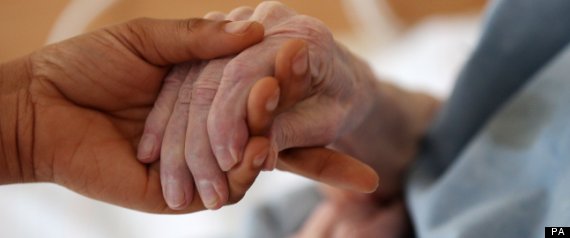
As far as Parkinson’s is concerned not much literature is available on the subject as some of you have inquired from me recently.
I decided to write some points on the subject. Although Parkinson’s is no longer considered a terminal illness as it was once 30 years ago. The new advents in treatments have greatly improved our quality of life yet; in many parts of the world where medicines are harder to come by it may still be considered a death sentence. Nevertheless, in most cases PD is a long goodbye. Subsequently, we are forced to learn to “live with death” in our lives for an extended period of time. Thus, the ways we deal with death and terminal illness in our society have changed dramatically since a great deal of people live with chronic progressive neurodegenerative illnesses. Unlike the cases when patient died suddenly – the patient him or herself also have to learn to grieve while still alive and fighting to hold on. This can cause a lot of stress in the family particularly because grief is a family matter.
Dealing with our own loss can be difficult enough as I am finding out. Moreover, thinking on how to comfort those experiencing grief first hand can be that much more daunting.
First, for the caregiver.
You might be experiencing trepidation in how to proceed with the relationship once a loved one has entered the end of stage of the disease. Try to remember that your loved one is still the same person even when they have dementia and can no longer communicate. Underneath they still are the ones you love. If they are still lucid try to focus your relationship on one another rather than on the disease. Don’t focus on unsolved issues. Focusing or bringing up these to light is not going to help the relationship any rather make it more challenging. Don’t underestimate the power of your presence. But never try to be a counselor. Be a listener only.
Secondly, the other thing I learned through the years but especially while taking care of my dad. Dyeing is NOT a science. There is no time frame nor right or wrong way to die. I so wanted my dad to talk about his life, what he liked and did not like. Plus wanted any advice, pearls of wisdom he could share with me; but he never could do this for me. I suppose it was too painful for him to express and I too incentive to his feelings being selfish wanting to know more about his life before he passed.
When it comes to dying, some people accept it and come to terms while others may choose to live in denial. Allow them the freedom to choose. Plus denial is a natural self-preservation mechanism because the alternative is too frightening to cope with. As long as the denial is not causing harm it should not be contested. They might be afraid of letting family down, losing control of independence, bodily function etc. Offer spiritual support but as I found out with my loved ones sometimes it is easier for them to seek support outside of the family. Offer to have spiritual counselors come by regularly like ministers, priest etc. My grandma really enjoyed this time even my dad to a certain degree especially when other congregational members came to sing.
Should we keep vigil by their side when time draws near? Get your cues from your loved one. Ask what their desires are. Being near a loved one as they are dying although painful can be a very beautiful sacred experience increasing your inner strength, even though at the time you may feel helpless and powerless. It also allows you to give your loved one permission to die if you sense resistance on their part because something seems to be holding them back. For instance, when my dad was in his last breaths (agonal state) I could sense his hesitation to let go because he was worried about mom. I told him it was ‘ok’ to let go. I emphasized the fact that we loved him very much and would see him soon and that mom was going to be fine with us. He passed away that evening.
But keeping vigil can be emotionally and physically exhausting.
Remember to take care of yourself as well. Take breaks and don’t forget to eat and drink fluids. You don’t want to end up in hospital yourself. You may choose to have love one die at home, hospital, hospice or nursing home. You and loved one should decide ahead of time. Both my dad and grandma wanted to die at home.
Third, is ok to allow yourself to grieve which usually comes in waves of emotions. Sometimes you may start grieving as soon as the end draws near other times may not occur till much later after their passing.
Guilt is a normal real part of grieving. I also experienced feelings of guilt after my grandmother’s passing, questioning if I had done enough. I would second guess my decisions wondering if she might have lived longer if I had kept her under my care the last couple of weeks. Remember that these feelings too shall pass. If the grief or the guilt is not seeming to go away make sure you avail yourself of a professional grief expert to help you heal.
So my advice is:
- Laugh often
- Really listen
- Try to keep life as normal as possible
- Provide genuine support
- Make a wish list
- Help maintain their dignity
- Provide physical contact as much as possible
- ask for specific needs which might require assistance
#Unite for Parkinson’s this coming month of April!
sources:
http://www.nhs.uk/Planners/end-of-life-care/Pages/coping-with-a-terminal-illness.aspx
Perils of Parkinson’s disease : By Maria De Leon
Anxiety in PD: by Dr. De Leon
cation
” anti-anxiety pills, I would take them but I am afraid …”
Anxiety also thought of as excessive worrying is something that I have had lots of experience in dealing with as a physician and caregiver but until my medications were reduced after last hospitalization, I myself had never felt this way. I am not a fan.
As it turns out nearly 20% of people with pd experience these symptoms during the life of the disease. Fortunately, this is one of those symptoms which is extremely treatable since we have a slew of med. unfortunately, it is often misdiagnosed or overlooked causing severe mental and physical anguish.
We have recognized anxiety as a non-motor symptom of PD not simply a reaction to having disease. As we learn more about Parkinson’s we realize that anxiety can be a presenting symptom and even precede motor signs and symptoms by many years.
There are several presentations of anxiety. The most common is general anxiety where a person becomes overly concerned with things around him or her like when is the next doctor appointment, or lunch meeting. You may feel like passing out, have gloom and doom feelings, shortness of breath, heart palpitations, sweating, dizziness, chest pain, numbness and tingling or pins and needles. They may even cause spontaneous crying, vomiting, or difficulty swallowing ..tightness in throat.
I must say that this is the form most often encountered by me in my patients. however, i now know that I failed at times to treat the underlying cause. I recall a sweet older patient who began having ‘on’ and ‘off’ periods would over dose on Sinemet each time she had an ‘off’ period due to the severe anxiety only to aggravate her dyskenisias. Not really understanding that what she needed was more dopa medication more evenly spread out to stop the ‘off and assuming this was unrelated to her dopamine levels I prescribed Ativan ( anti-anxiety medication) but quickly she began popping these pills like candy in some ways making her anxiety worse by severely compromising her respiration. Until I had this similar problem several months ago, I did not fully comprehend the severity of the problem, the incredibly overwhelming feeling of lack of control and feeling of being consumed by this emotion as well. I understand how people that take drugs are constantly after a next “fix.” You simply want to feel normal or at least that feeling of lack of control, and complete incapacitating nervousness to cease.
Since, I was placed on a much lower medication dosage than I was used to, the lower doses were not lasting as I was used to without feeling gaps. Now, I was experiencing on and off symptoms and found myself completely absorbed in my day to simply waiting for the next dose. This was completely foreign to me in the decade I have had pd I have never had to set my watch by my meds. Because I am well controlled and have several long acting meds, I don’t feel the gaps and certainly don’t go into panic mode if I am a bit late taking medicine or forget. I do however, get stiff, slower and stat having pain or visual problems if I forget completely. Yet, here I was like a drug addict counting hours and constantly looking at the clock to see if it was time to take my next pill. No way to live!
So, I decided to deal with the side effects of my meds from a different angle and stop this madness which lasted less than two weeks but felt like an eternity. I restarted my medications at previous doses and voila! No more anxiety. I could breath again normally and actually be productive once more. This of course, thought me a huge lesson, realizing that in my practice as well as many patients out there that complain of anxiety or difficulty breathing are actually undermedicated. They don’t need anti anxiety meds they simply need higher doses of dopa that is continuous and not fluctuating.
This is because the symptoms are extensive and can mimic many other illnesses including, thyroid disease, low blood sugar, heart attack, and asthma doctors may want to do other tests to rule out these more serious and potentially lethal diseases. However, the best way to properly diagnose and get the right treatment is to maintain a diary.
- When symptoms start?
- Are they Daily?
- How long they last?
- Do they occur multiple times a day ?
- Are they following or preceding medication intake? Food in take ?
- Activity bring on?
Treatments:
Once source correctly identified a new regimen can be implemented. In most cases of anxiety in people with Parkinson’s are due to under medication in my experience – thus the solution is to increase levels of L- dopa either more frequent dosing, larger doses or both.
However, once all other possible causes are ruled out and not improving with higher dopa levels, anti -anxiety meds in the benzodiazepine class are implemented (e.g. Ativan or klonopin). Also Ssri’s anti-depressants like lexapro, Zoloft, or SnRI’s such as Effexor, Cymbalta, or Remeron can be prescribed. Even behavioral therapy might be considered if symptoms are not subsiding along with antipsychotics preferably those like Seroquel, Clozaril maybe given without worsening PD; perhaps even the new drug Nuplazid could be instituted although no data available at present time.
Don’t suffer in silence get help if you are having anxiety particularly if altering your life style or causing severe physical and emotional impediments. fortunately, I am back to myself not looking at watch every 5 minutes waiting to take next dose…so that I could regain some temporary sanity.
More info:
Lobbying at the hill

2017 is the first year that The Parkinson’s Policy Forum was hosted by The Michael J. Fox Foundation. Formerly known as the PAN Forum, members of the Parkinson’s community, Parkinson’s disease organizations, and lawmakers meet once a year to discuss Parkinson’s patient needs and policies. The event concludes with “Hill Day,” a full day of meetings […]
via From Advocate to Lobbyist for Parkinson’s — Parkinson’s Women Support
Capitol Hill Preparation: By Maria de Leon
 I feel very blessed to be part of a greatly empowered group of individuals from all around the country, brought together by the generosity and leadership of MjFox foundation. We all came collecti…
The Road to Capitol Hill: By Maria De Leon
The count down to PD forum has begun and I have begun to feel a stir in my belly for the chance to meet with members of congress to discuss salient matters regarding the needs of all people with Pa…
 defeatparkinsons